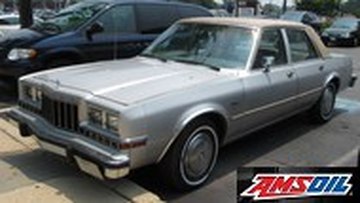
Maintaining Lubrication Integrity for the 1982 Dodge DIPLOMAT 3.7L
Proper engine care for a vehicle of this era requires a focus on consistent monitoring and proactive inspection. For owners of a 1982 Dodge DIPLOMAT equipped with the 3.7L engine, maintaining the lubrication system is a fundamental aspect of long-term mechanical health. Because older engines are subject to different wear patterns and material aging than modern vehicles, a disciplined approach to fluid management and visual inspections can help ensure continued operation.Monitoring Fluid Condition and Consumption
One of the most effective ways to monitor the health of the 3.7L engine is through regular observation of lubricant levels and appearance. Changes in how much oil the engine uses or how the oil looks during a service interval can provide important clues about the internal state of the engine. If you notice that the vehicle requires more frequent top-offs than usual, this may indicate an increase in consumption. Similarly, the physical appearance of the oil should be checked during routine maintenance. While oil naturally darkens over time due to use, extreme discoloration or a gritty texture can warrant closer investigation. If the lubricant appears milky or has a frothy consistency, it could suggest that other fluids are entering the lubrication system, which requires immediate attention. It is also useful to watch for any unusual exhaust characteristics. While certain exhaust colors can be associated with various mechanical states, any sudden change in the appearance of exhaust gases should be investigated to rule out issues related to internal engine processes.Systematic Visual Inspections
A proactive maintenance strategy involves regular visual checks of the engine compartment. For a 1982 Dodge DIPLOMAT, this means looking for signs of seepage or leakage around various engine components. When performing these inspections, focus on the following areas:- Gaskets and Seals: Inspect accessible gaskets and seals for any evidence of weeping or active leaks. Over time, the materials used in older sealing components can lose their ability to maintain a tight barrier.
- External Connections: Check electrical connectors and wiring for signs of fraying, heat damage, or corrosion, which can affect various engine sensors and systems.
- Hoses and Belts: If equipped, inspect all visible rubber hoses for cracks, softening, or bulging. Similarly, check any accessible drive belts for signs of glazing, cracking, or fraying.
- Accumulated Residue: Look for heavy buildup of grime or oil residue in the engine bay, as this often indicates a slow leak that has been present for some time.
Prioritizing Maintenance Through Documentation
For long-term ownership, establishing a clear history of what has been done to the vehicle is invaluable. If you have recently acquired this Dodge DIPLOMAT, your first priority should be to establish a maintenance baseline. This involves determining when the last oil change occurred, when filters were replaced, and whether any major repairs have been documented. If service records are incomplete, begin keeping a detailed log of every fluid change, part replacement, and inspection result. This documentation allows you to:- Identify patterns in fluid consumption or leakage.
- Distinguish between new issues and long-standing conditions.
- Make informed decisions about whether to perform preventive maintenance or address an active symptom.
- Track the age of critical components like belts, hoses, and ignition parts.